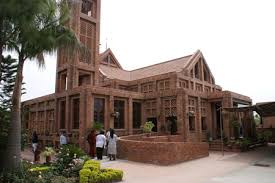
I was told about Pul-e-Charki, the last main check post on the road from Jelalabad, before you get to Kabul. The same NGO has run a basic medical clinic there for years, all during the fighting. Apparently Coalition forces were doing live target practice on a range there and 4 children, who strayed onto the range, were accidentally killed. Both the community and the military were devastated and they offered to make amends in some way. After discussion with community elders, it was agreed that they would build a small kindergarten and a secondary school, plus a medical clinic for the community. They kept their word.
The community then insisted that this same NGO run the clinic since they were the only ones who had demonstrated any commitment to them over the past few years. It is being opened as a mother and child clinic.
So it was both a vote of confidence from the community and an example of hope thriving in the midst of despair - of good coming out of awful and evil situations.

I haven't seen many UK International Security Assistance Force (ISAF) troops here so far. At present Canada is taking the lead but I did meet some of the Finnish troops. They were amazed to meet a Finnish lady who has been here 26 years working with an NGO. Her commitment impressed them no end. She was taking us on a brief 'tour' to the British Cemetery. It had been tidied up for Remembrance Sunday last week and was looking very neat and green, especially after the rain.
I saw the grave of the Dutch/Finnish couple who had been murdered about 20 years ago resulting of the withdrawal of the whole NGO team in protest. There were other expats: a Danish explorer, a British pilot; Czech, Polish, German, an Italian cyclist who had died in Kandahar - There were also hippies, who had been in the ‘Dilaram House’ run by Floyd McClung in the 1970s. It was more of an International 'Christian' cemetery, than a British one and well reflected the international expatriate community in Kabul.
There was also one wall with gravestones from British troops, who had died during the second Afghan War in the 1870's – recently restored by current UK troops on duty in Afghanistan. And the opposite wall had memorial plaques to the troops of ISAF, who had died as peacekeepers over the past 2 years. Including the Spanish troops whose plane crashed and the Germans, whose helicopter had been brought down, as they were leaving the country, on their way ‘home’ after a tour of peace-keeping duty.
It certainly makes you think - about people’s lives and what they stand for! And also what we live for and what are we prepared to die for?

From your own correspondent
Kabul November 2003
Kabul November 2003